Gilbert's scorpion season follows a different calendar - and different neighborhoods tell different stories
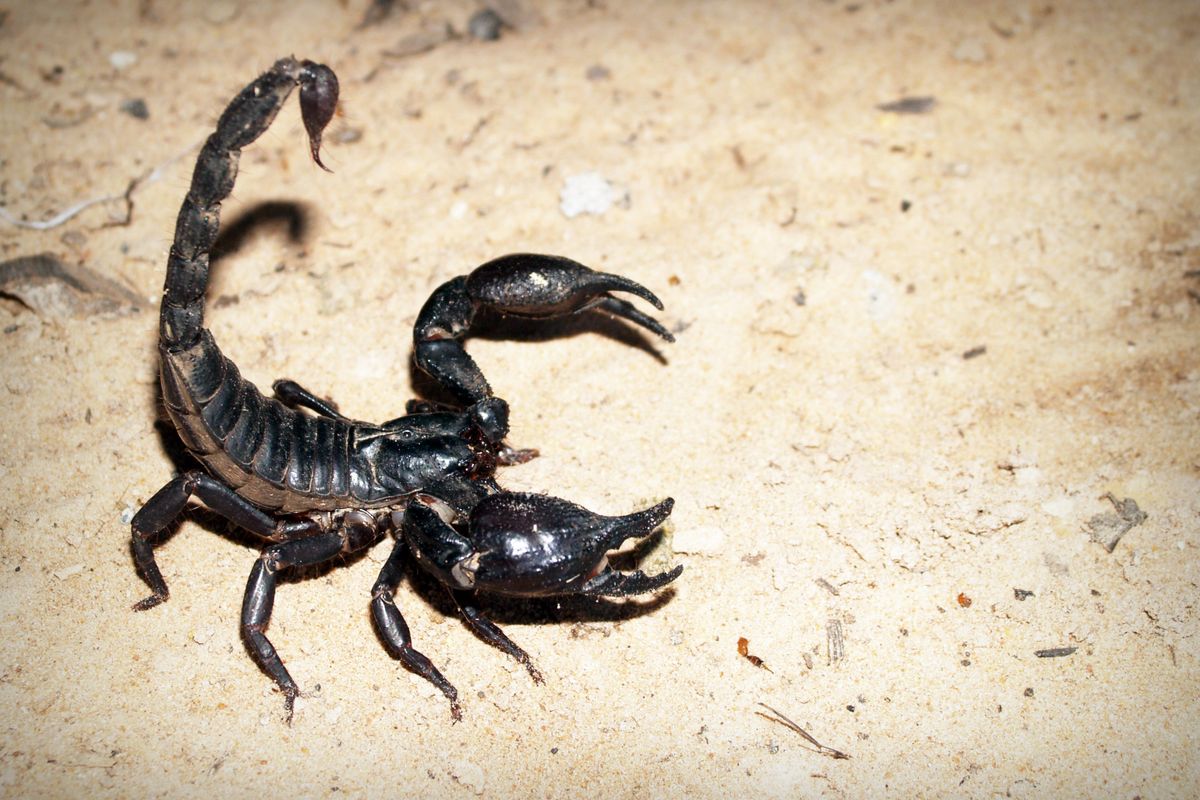
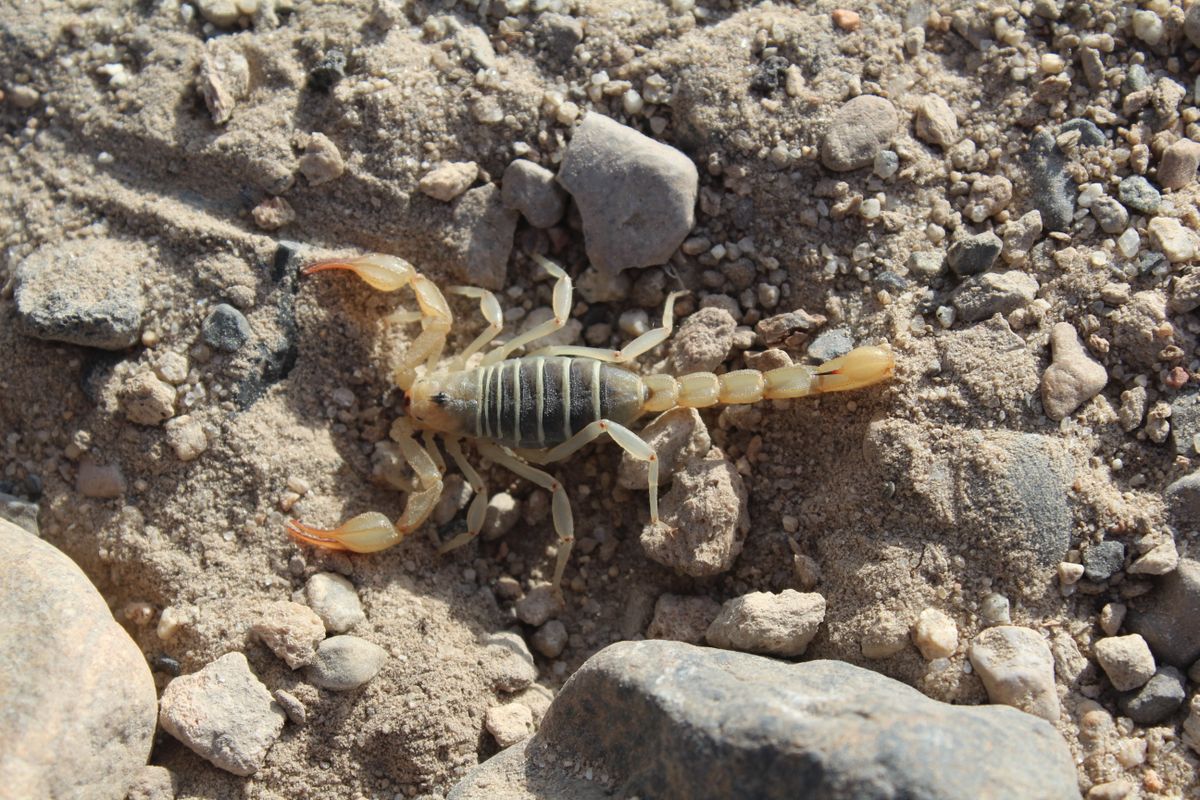
Arizona bark scorpions are the Valley's most dangerous indoor pest, and in Gilbert they show up on a schedule that surprises newcomers. This is not a town with one scorpion problem; it has several, and which one you get depends on which Gilbert you live in. The newer subdivisions off the 202 and Power Ranch sit right on the desert edge, where grading and construction have displaced existing colonies and a brand-new home is simply the nearest cool, shaded shelter for scorpions pushed off their original ground. The older, established blocks near the town center and along the original canal corridor carry a different pressure entirely - here the block walls have been in place for decades and the population in them reflects that. The single most useful thing to know is that the age of your house is the wrong predictor; the location of your lot relative to the desert fringe and the irrigation schedule of the common areas around it are what set the timetable. Unlike a one-time spray, the treatment that holds has to account for the fact that the desert edge is continuously re-testing the barrier and the HOA-managed greenbelts, retention basins, and community lakes three streets over are never treated on your behalf.
Gilbert's growth pattern also changes what a scorpion call means. The town added tens of thousands of residents in just a few years, and much of that build-out went up over former farmland and raw desert. When grading moves the soil, it moves the colony with it - and the displaced scorpions do not travel far before they find the nearest shelter. That is why a two-year-old house on the southeast edge can honestly report more scorpion activity than the established block two miles away; the pressure typically settles over the first few seasons as the ground stabilizes and the irrigation patterns in the new landscaping settle into a routine. In the meantime, the treatment has to be built to hold against a landscape that is actively feeding the problem from outside the property line, not just a band around your foundation that the scorpions walk around.
The block wall is Gilbert's scorpion highway - and its worst harborage
Gilbert is built on block-wall yards, and a hollow masonry wall is close to a purpose-built scorpion habitat. The cavities inside the block stay dark, protected, and insulated from the desert heat, and they run connected along the entire perimeter of the yard - a shaded, humid corridor with the house on one side and the irrigated landscaping on the other. On an older property the wall has been there long enough that the population in it is established and dense; on a newer build the same cavity is being colonized fresh, which is why the first season is usually the worst. This is exactly why perimeter-only treatment disappoints in Gilbert: the reservoir is next door and in the wall, not in the baseboards. A plan that works treats the wall cavity and the cap, and expects to come back rather than promising one visit will end it - because the wall runs the whole length of the property line and connects to your neighbor's yard, which is a lot of real estate to hold.
The landscaping on either side of that wall does the same job at ground level. Gilbert's HOA-managed communities keep the common areas watered on a sprinkler schedule, and drip emitters tucked against the foundation planting keep a damp band right at the slab line - precisely the microclimate a bark scorpion and its insect prey both want. Decorative rock over weed barrier works the same way: it gives crickets, spiders, and scorpions endless harborage right up against the foundation, and because the HOA controls that irrigation you cannot simply turn it off. Pulling rock and mulch back a few inches from the wall, trimming plants so nothing bridges the wall to the house, and keeping vegetation clear of the stem wall all do more than an extra pass with the sprayer, because they remove the conditions that keep the population fed and close.
Spraying the trail will not solve a Gilbert scorpion problem
Scorpions are not ants. They do not take bait back to a colony, and a repellent spray applied to the trail just moves the problem - and, worse, a repellent product anywhere near where the treatment needs to work keeps the scorpions from crossing the treated band at all, so they funnel around it through the next gap instead. The work that actually holds in the desert is a combination that has nothing to do with hitting the one you saw: exclusion - sealing weep holes, expansion joints, the garage door threshold, and the gaps where utilities and the AC line set enter the wall; habitat reduction - pulling harborage back from the foundation and cutting the water supply that keeps the prey population high; and targeted treatment of the wall voids and the specific harborage points, applied so it reaches where the scorpions actually live rather than where they happen to cross.
A bark scorpion gets through a gap far narrower than most homeowners would believe, so the sealing list on a Gilbert home is specific and worth taking literally: the weep screed at the base of the stucco, the expansion joints, the bottom seal on the garage door, the door sweeps on every door to the outside, the point where the AC line set and any conduit enter the wall, and the gaps around hose bibs and valve boxes. The irrigation valve boxes in particular matter here - Gilbert's new-build lots have them on a manifold that the HOA landscape crew inspects monthly, and that box is one of the most reliable harborage points on the property because it stays dark and humid year-round. We dust and treat those wall cavities and voids rather than pretending a band around the baseboard is the job, and we check the valve boxes that the landscaping crew opens every month - because a treatment that does not reach where the property manager's own crew is looking for problems is not reaching the whole colony.
The monsoon resets the clock across Gilbert - and so should your plan
Gilbert's scorpion season spikes twice a year, and both spikes are predictable. The first comes in late spring and early summer, when the warming nights bring bark scorpions out of their winter dormancy and they start hunting the crickets and spiders that have been active all along. The second comes with the monsoon, typically July into September, when heavy rain floods outdoor nests and drives entire colonies to higher, dryer ground - which is frequently a garage slab, a block wall base, or the foundation of a home that sat quiet all spring. The first heavy storms of the season are reliably the sharpest spike in scorpion calls across the city, and the surge runs for a couple of weeks after the rain clears while the displaced population finds its way. If you live in south Chandler, expect the weeks right after the first monsoon storms to be the ones where you are most likely to find a scorpion indoors, and plan the treatment so the barrier is fresh going into that window rather than exhausted coming out of it.
That second spike is worse in Gilbert than in some Valley towns because of the retention basins and community lakes that the HOAs manage. When a summer monsoon hits, the low spots across the city fill fast, and the water pushes ground-dwelling scorpions up and out toward the nearest dry ground. On a property that backs a basin, a lake, or a retention area, that dry ground is often your foundation - and a one-time spray applied before the monsoon has likely worn off by the time the surge hits. The plan that holds is timed to the season: fresh barrier going into both the late-spring warmup and the monsoon window, with free re-service when one slips through between visits because the desert is constantly re-testing the barrier.
Two weeks after treatment: what to expect
Scorpion control runs on its own timetable, and being prepared for it saves a great deal of needless concern. After treatment you should expect to keep seeing scorpions for a while - they are slow-moving and the population in the wall and the landscaping does not vanish overnight. What should change is the pattern: activity should fall off over weeks rather than hours, and the ones you do find should be dead or dying rather than moving normally. The two things to report rather than wait out are a new hotspot in a room where nothing was found before, and activity that has not dropped at all after a few weeks - both mean the reservoir is being found again and the plan needs adjusting. If you find one indoors, do not try to kill it with a spray; leave it for the technician to see, because where it is tells them where to look next. The honest way to know it is working is walking the yard and perimeter after dark with a UV flashlight before treatment, then again a few weeks after - if the nightly count has clearly dropped and the ones you do find are dying, the plan is working. If the count is the same, the reservoir is being found again and the treatment needs to go deeper into the wall and the landscaping rather than wider.
If you are weighing the cost and the schedule, our Phoenix pest control cost guide lays out honest ranges, and our guide to getting rid of scorpions in a Phoenix-area home covers the DIY-versus-pro decision. If scorpions are showing up indoors, especially with kids or pets in the house, that is not a do-it-yourself project - it is a recurring, exclusion-focused treatment with free re-service between visits, because the desert is constantly re-testing the barrier.