The termite Phoenix homeowners actually have is the desert subterranean
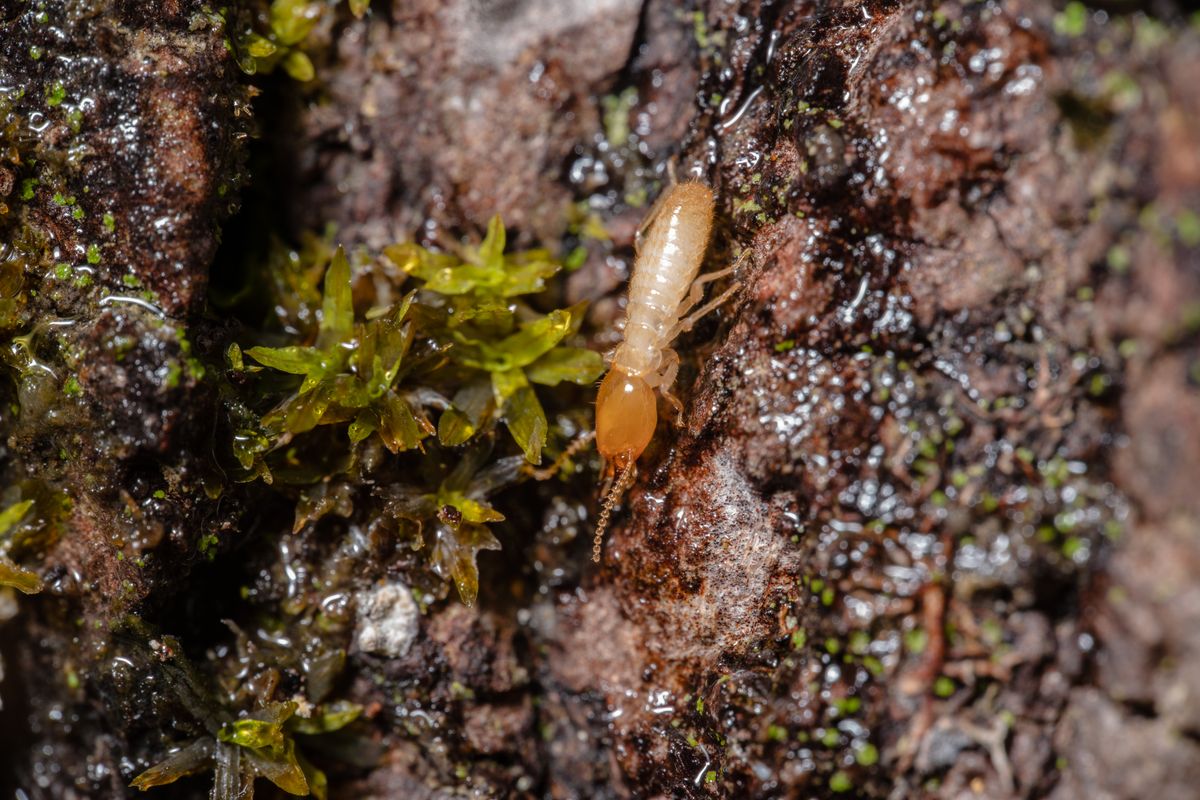
Arizona is home to a handful of termite species, and the one that drives nearly every Valley call is the desert subterranean termite (Heterotermes aureus). It is, by a wide margin, the most common and most destructive termite in the arid Southwest, and Phoenix sits squarely in its home range. Understanding the species matters because it decides what an inspection is looking for and what a treatment has to do.
Desert subterranean termites live in colonies in the soil and keep their activity tied to that ground. They do not tunnel visibly through wood the way a drywood termite does; they work from below, building thin earthen shelter tubes up foundation walls, block, piers, and stem walls to reach the wood in a house while staying protected from the dry desert air. Because the colony lives underground, the visible activity you may find - a few tubes, a stray winged swarm - is only the surface of a population that is far larger and largely out of sight. That is the central reason termite work is not a spray-it-and-be-done job: the target is a colony under the ground, and the treatment has to reach it.
The other species a Phoenix homeowner occasionally meets is a drywood termite, which does something different entirely - it infests sound, dry wood directly and needs no contact with soil, so it can establish in framing, trim, attic timbers, and furniture. The two are treated with different tools, which is exactly why a proper inspection identifies the species before anyone quotes a method. If a company treats for one without confirming which you have, you can pay for the wrong job.
Why Valley termite pressure never really has an off season
In colder parts of the country a hard winter knocks termite colonies back and buys a home a quiet stretch each year. Phoenix never gets that reset. Our mild winters keep subterranean termites active through the year, and our summer monsoon supplies the thing the species needs most to expand: moisture. The result is a pressure that is continuous rather than seasonal - which is why annual or purchase-time inspections are the norm in the Valley rather than a cautious extra.
The monsoon is also when most homeowners first learn they have termites at all, because it is the swarming season. On warm, humid nights after rain, typically from late June through September, winged reproductive termites leave established colonies in large flights to mate and start new ones. A swarm is not an emergency in itself - most of those fliers die quickly and do no harm - but it is a reliable signal that a colony is active within swarming distance of your house, and that a colony now exists that will take years to become a problem if it is left alone. Finding a pile of discarded wings on a windowsill or near a light is the classic first sign. If you spot swarmers and are not sure whether they are termites or flying ants, set one aside on a paper towel: a flying ant has a pinched waist, bent antennae, and two different wing lengths, while a termite swarmer has a broad body, straight antennae, and two equal pairs of wings. Our guide to the signs of termites in Arizona homes walks through mud tubes, hollow-sounding wood, and swarmers in more detail.
What a real termite inspection actually checks on a Phoenix home
A genuine termite inspection is more than a slow walk around the foundation. Because the colony lives in the soil and the damage hides inside wood, a thorough one is looking for two separate things: active infestation, and the conditions that will bring a colony to the structure whether one is there today or not.
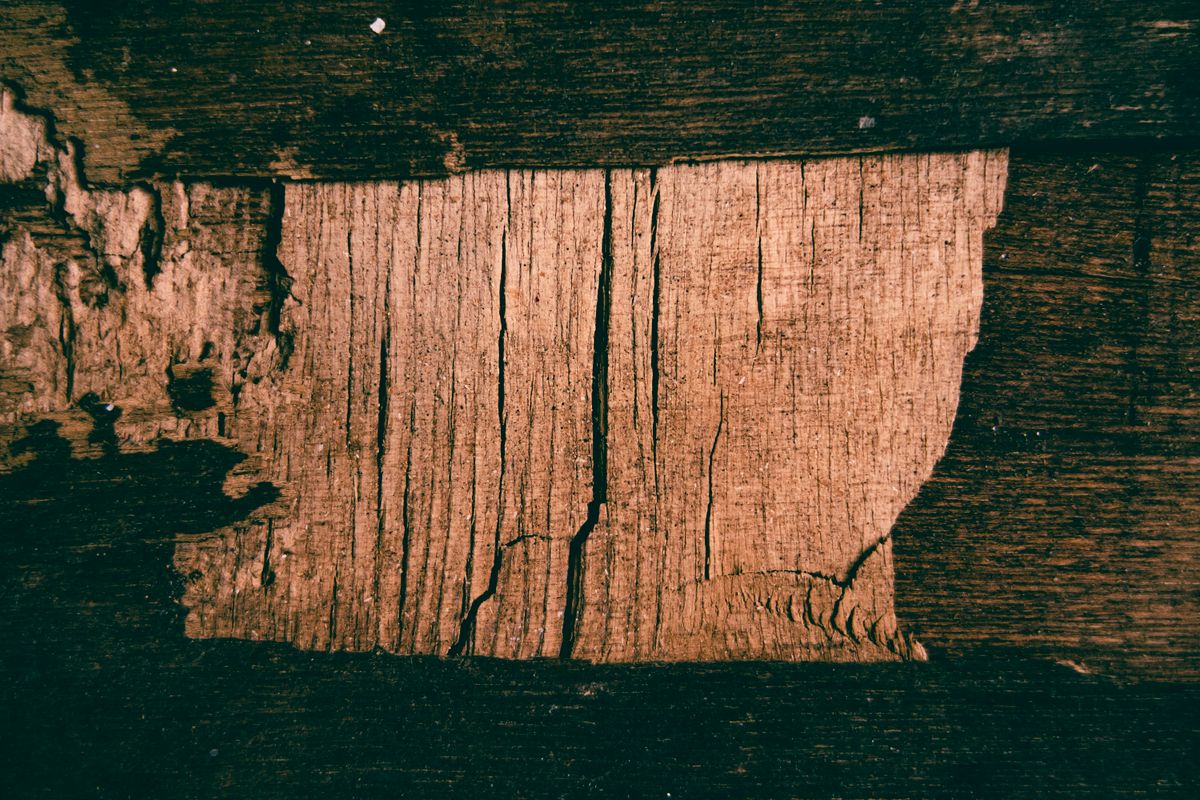
On the active side, the inspector checks the accessible wood in the house - baseboards, door and window frames, the subfloor areas that can be reached, trim, and any exposed framing - tapping and probing for hollow-sounding wood and looking for the fine, sand-like frass and the mud tubes that subterranean termites build where they travel. They also check the outside at the soil line, where tubes climb foundation walls and block, and near plumbing penetrations where moisture collects. On the conducive-conditions side, they look for the invitations that matter most in a desert-construction home: wood or foam in direct contact with soil, sprinkler and drip irrigation throwing water against the foundation, mulch and landscape rock piled up against stucco, post-tension slab details and expansion joints, and any leak that keeps soil damp. The University of Arizona Cooperative Extension publishes a clear summary of how subterranean termites damage homes and the shelter tubes inspectors look for, and the Arizona Pest Management Center is the state hub for that extension work.
One honest limit worth stating: no inspection can see inside every wall and under every slab, and a clean report means no signs were found in the accessible areas - not a guarantee none exist. That is why termite protection in the Valley is usually set up as a continuing program with a warranty rather than a single visit that promises a forever result. Whoever you hire for structural work in this state answers to a separate regulator - termite treatment is licensed and inspected under its own category by the Arizona Department of Agriculture, distinct from the general household-pest side of the industry.
Barrier, bait, or spot treatment - how the right method gets chosen
Once an inspection confirms what you have, the treatment method is a decision made on your home's specifics, not a one-size price. Three approaches dominate Valley termite work, and honest companies often use more than one.
- A liquid termiticide barrier is applied to the soil around and under the foundation to create a treated zone termites cannot cross to reach the structure. It is thorough and fast, and on a slab home it can involve drilling and injecting - which is exactly where the construction detail of a Phoenix slab matters, as we explain on the section about Valley slab work above.
- A bait-and-monitor system places stations around the property that termites feed on; the active ingredient is carried back to the colony, and the station is monitored over time as the colony is reduced. It is slower-acting than a barrier but is a proven way to knock down an established colony and is often paired with ongoing monitoring.
- A localized spot treatment addresses a single known active area - one section of a foundation or a specific infestation found in a home purchase inspection - rather than the whole perimeter. It is the cheapest route when the problem is genuinely contained.
The choice comes down to whether you have active termites (and where), the age and construction of the home, and whether you want an annual, warrantied protection program versus a one-time corrective treatment. A warranty-backed program is the common Valley answer, because the desert keeps re-presenting the same conditions that brought termites the first time. Whatever is quoted, the two questions that matter are what the warranty actually renews and what happens if new activity appears between visits - free re-service on a termite warranty is not automatic the way it is on a general pest plan, so it is worth asking explicitly.
When the fix is a repair, not a treatment
There is a boundary worth being plain about, because it is where a pest company can overstep. A termite treatment stops termites - it does not rebuild wood they have already damaged. If an inspection finds that structural wood has been compromised, the correct sequence is to treat the colony first and then have a qualified contractor evaluate and replace the damaged members. An honest company will tell you where that line is rather than quietly implying that treating makes the damage disappear. In practice, because desert subterranean termites work for years before damage is visible, most Phoenix homes are caught either before real structural damage or with damage that is localized and repairable - which is the argument for not waiting until something looks wrong to schedule an inspection.
Keeping the desert from re-finding your foundation
Termite treatment eliminates the colony, but it does not change the building. The durable part of protection in Phoenix is removing the conditions that made your foundation attractive in the first place, and most of that is straightforward: grade the soil so it drains away from the house rather than pooling against the slab; keep irrigation heads and drip emitters off the foundation and away from the stem wall; pull mulch and landscape rock back several inches so no wood or moisture is in constant contact with the structure; fix leaking hose bibs and irrigation lines; and keep firewood, lumber, and construction debris off the ground and away from the walls. None of this is glamorous, and all of it is the difference between a treatment that holds and a house the desert keeps re-testing.
If you are buying a home in the Valley, a termite inspection during the purchase period is close to mandatory rather than optional - the signs are silent for years, and catching an active colony before you own the damage is the entire point. For existing homeowners, an annual inspection at around the same time of year gives you a clean baseline, and the honest position is that a clean report is the cheapest result you can buy.
Whether you have found swarmers, are mid-purchase, or simply have not had the structure looked at in years, a termite inspection is the right first step - it tells you what you actually have before anyone quotes a method. That inspection, the treatment that follows if you need one, and the ongoing protection that keeps the desert at bay are exactly what our Phoenix termite control service is set up to handle, and you can see the honest range of what it costs in our Phoenix termite treatment cost guide.