In a Phoenix house, an ant trail is a water map
Most ant advice is written for wetter parts of the country, where the draw indoors is food. In the Sonoran Desert that ranking is reversed for most of the year: the colony is looking for water first, and the crumbs are something it finds on the way. That one difference is why, on a Phoenix ant call, where a trail comes in is worth more to a technician than how many ants are on it. A line crossing an open floor tells us very little. A line emerging from the base of a bathroom vanity, from under the edge of a water heater pan, or down a wall from the ceiling tells us roughly where to look for the thing that is actually feeding the problem.
Timing narrows it further. Trails that show up in the dry, hot stretch of May and June, weeks after the last rain, are nearly always following moisture that exists inside or hard against the building. Trails that appear a day or two after a monsoon storm are usually the opposite situation: an outdoor nest has been flooded and the colony has relocated to the nearest high, dry ground, which is often a wall void or a slab edge. Those two problems get treated differently, and they need different follow-up, which is why we ask about timing before anything is applied.
The moisture sources we check on a central Phoenix property
Central Phoenix housing stock gives ants a specific set of standing water sources that a newer suburban lot may not have at all. An older home here often still runs a roof-mounted evaporative cooler, which carries a continuous supply line and a bleed-off line; a weeping fitting or a bleed discharging next to the foundation is a dependable water supply sitting exactly where ants stage, and it explains trails that seem to come from the ceiling or the attic side rather than from a door. Houses here are built slab-on-grade with no basement, so a pinhole leak in a supply line under the slab has nowhere visible to surface, and a warm damp seam under a floor is sometimes the first thing a homeowner learns about it - from the ants.
The rest of the list is more ordinary but gets missed just as often: drip emitters installed a few inches from the foundation instead of out at the root zone, an air-conditioning condensate line discharging at the slab edge, a water softener drain, the wet ring under a hose bib, and the pool equipment pad and its backwash run. We look at all of these before deciding where product goes.
One boundary worth stating plainly, because it is where a pest company can easily oversell. If the pattern points to a slab leak, that is a plumbing repair and it is not our trade. We will tell you what we are seeing and why we suspect it, and treating the ants without fixing it will buy you weeks rather than a resolution. We would rather say that up front than sell you a recurring plan that is quietly working against a leak.
Why the bait did not work
Our approach to ants is baiting rather than spraying the trail, and the reasoning behind that is set out in our guide to getting rid of ants in a Phoenix home. What that guide does not cover, and what accounts for most failed do-it-yourself attempts, is the next problem along: the bait was correct and the colony simply would not take it.
Acceptance is the whole game. Ant species differ in what they will carry home, and the same colony can change what it wants across a season as its brood demands shift - which is how a sugar gel that emptied overnight in March ends up sitting untouched and dusty in June. The species table published by the University of California Statewide IPM Program in its Ants pest note lists food preference species by species for exactly this reason. Placement matters as much: bait belongs on the foraging route and near the moisture source, not tucked where you would prefer the ants to be. And a repellent spray applied anywhere near it will keep workers away from the one thing that would have reached the queen.
All of which makes identification the step that decides the outcome, not a formality. The National Pesticide Information Center at Oregon State notes in its ants overview that different species nest in different places and points homeowners to their county extension service for help identifying what they have; in this state the research and extension work behind that sits with the University of Arizona's Arizona Pest Management Center. If we cannot identify what you have on site, we will say so rather than guess at a product.
What an exterior treatment should not look like on desert hardscape
A Phoenix lot is mostly hard surface - driveway, walks, patio, decomposed granite over weed barrier - and when the monsoon does arrive the water leaves those surfaces fast and goes straight to the street and the washes. That has a direct bearing on how the outside of a house should be treated. The UC IPM pest note referenced above advises against spraying pyrethroid products outdoors on hard surfaces such as driveways and sidewalks, or around building foundations, because these products move into waterways.
The practical version on your property is that a defensible exterior ant treatment is targeted rather than broadcast: crack and crevice, expansion joints, entry points, weep holes, harborage and irrigation valve boxes - not a wide band laid down over concrete. It is also, for what it is worth, the version that works better, because ants are entering at specific points and those points are what needs the product. If you are treating your own home, the general consumer guidance from the US Environmental Protection Agency on reading and following the product label applies to every one of these decisions.
When ant control is the wrong service to buy
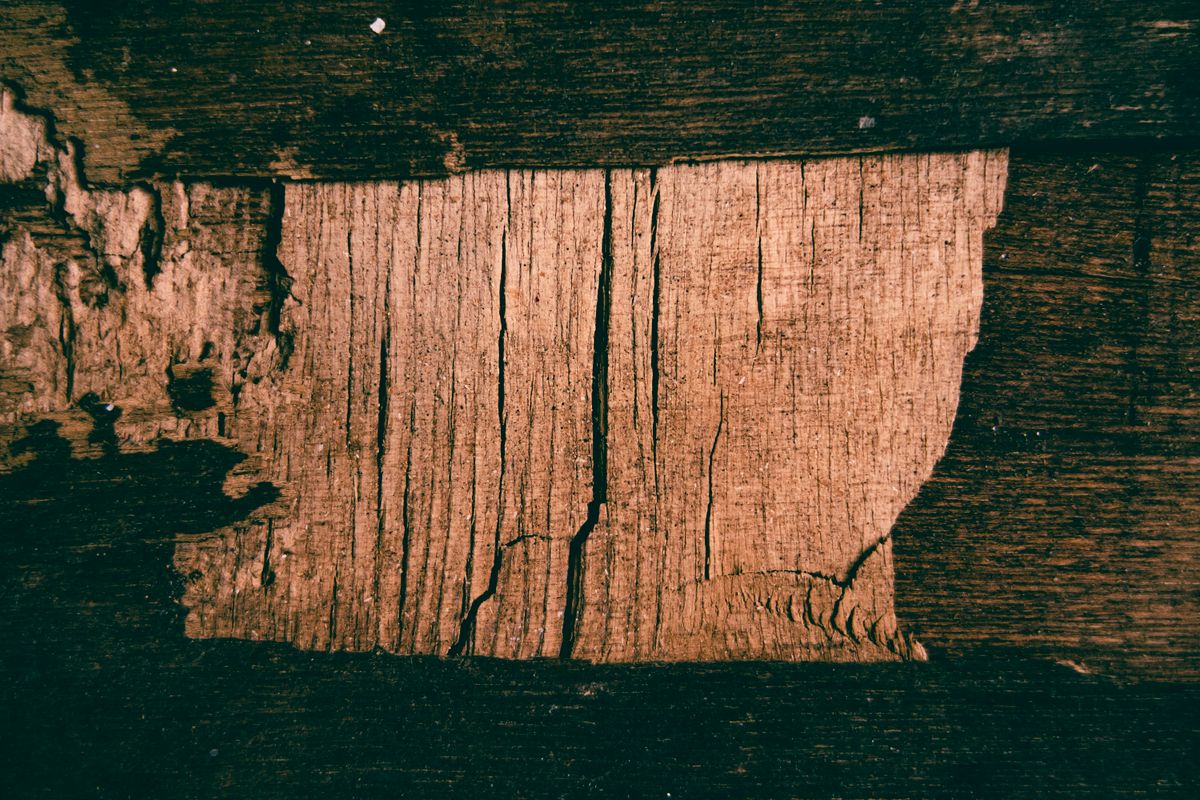
Three situations come up often enough in the Valley to be worth naming. If you have found damage in structural wood, do not start with ants. In this climate that points much more often to desert subterranean termites than to carpenter ants, and the right first step is a termite inspection - our guide to the signs of termites in Arizona homes covers what to look for.
If the ants are a mound out in an open desert-landscaped yard, well away from the house, and nothing is trailing indoors, the honest answer is often that it does not need eradicating. Native desert ants including harvester ants are part of the ground they live on, and the useful work is reducing pressure at the structure rather than clearing your lot. The exception is a stinging species where children or pets play, which is a safety question rather than a nuisance one, and our ants guide covers how to handle mounds without provoking them.
And if what you actually have is a mix - ants plus roaches plus crickets turning up together - then a single-pest ant job is the expensive way to buy it. That combination usually responds to the same perimeter work, which is what general pest control is for, and our guide on keeping roaches, crickets and ants out of a desert home explains why they travel together here. If you want the price side first, we publish honest ranges in our Phoenix pest control cost guide.
What the two weeks after the first visit should look like
Ant work is judged on a different clock from most pest jobs, and knowing that in advance prevents a lot of unnecessary worry. After baiting you should expect to see more ants before you see fewer, sometimes noticeably more, because workers recruit nestmates to a food source they have accepted. That surge is the treatment working - it is the colony carrying the active ingredient home - and the single most common way homeowners undo their own service is to reach for a spray at that point and kill the couriers.
Leave the trails alone while the bait is being taken. Expect the visible activity to fall away over days rather than hours, and expect the colony behind it to take longer than the trail did. What should improve quickly is anything you fixed on the moisture side. What should be reported rather than waited out is a new trail in a different room, activity that has not dropped at all after a couple of weeks, or any sign that the bait has not been touched - that last one usually means the acceptance problem above, and it is fixed by changing the bait, not by adding a spray. How often the exterior then needs revisiting is a separate question, and we cover it in how often you should get pest control in Arizona.